How to Cook Lentils: A Complete Guide
How do you cook lentils? If you’ve never handled these protein powerhouses before, it can feel daunting. But I’m here to tell you that cooking lentils couldn’t be any easier. Rinse, simmer them in water or broth, and that’s basically all you need to know about how to cook lentils.
The time you’ll need to cook them does depend on which variety you use, but I’ll cover that later in this easy and complete guide to lentils, a protein powerhouse for vegans! As well as being easy to cook, they have a hearty and earthy flavor plus a long shelf life.
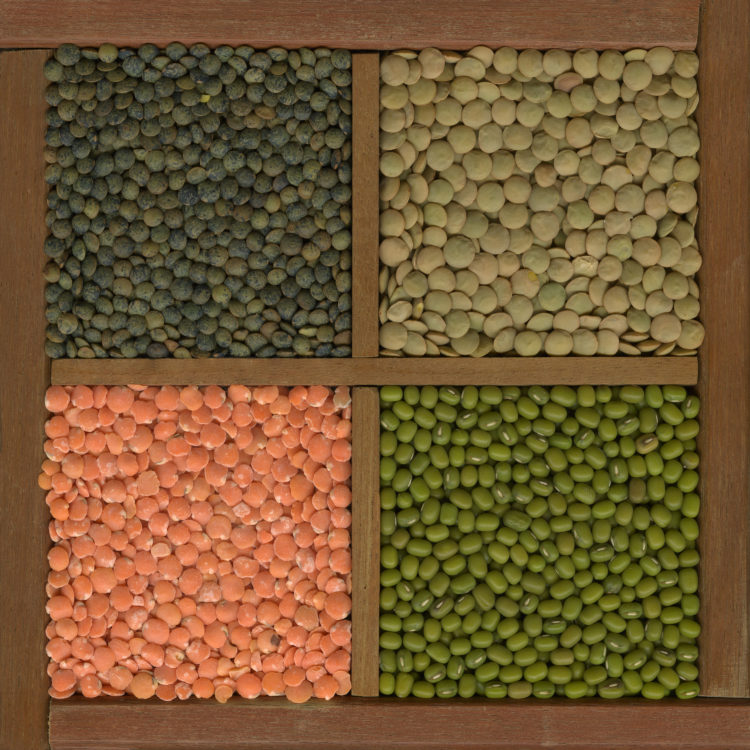
Lentils are the smallest members of the nutritious legume family and are also known as pulses. They’re high in protein and fiber and packed with iron, B-vitamins, folate, potassium, and more.
In a vegan diet, lentils are a healthy choice when you’re looking to boost your daily protein intake (1 cup of cooked lentils provides 18 grams of protein!). According to WebMD, when lentils are combined with a whole grain such as brown rice or quinoa they provide the same quality of protein as meat.
How To Cook Lentils
Before I start cooking lentils, I like to sort them by laying them out on a towel to make sure there’s no debris, stones, or shriveled-up pieces.
Unlike beans, you can skip soaking them overnight because they’re smaller, contain a smaller amount of lectin, and are therefore easier to digest.
Simply place them in a colander and rinse them of any dust that may have collected in processing.
1. On the Stove Top
Combine your rinsed lentils with water covering an inch above in a saucepan and turn the heat to medium-high to let the water come to a simmer.
At this point, you may want to add aromatics and spices or broth to flavor your lentils. Reduce the heat to medium-low and let the lentils cook gently. Be sure not to cook them at a fast simmer as they’ll quickly break down and turn into mush.
The cooking time will vary depending on which lentil you’ve chosen — red, yellow, and beluga lentils require about 15-20 minutes, while brown and green lentils may take anywhere from 30 to 45 minutes before they’re tender.
2. In the Instant Pot
How do you cook lentils if you have an Instant Pot? You can have ready-to-eat lentils in 10 minutes in what is virtually a hands-off cooking process.
For every cup of lentils, use about 1 ½ cups of water (add a little more if you’re using larger lentil varieties). Feel free to add seasoning or broth at this time as well.
Using this method, green and brown lentils are ready in 5-6 minutes, whereas yellow and beluga lentils take about 10 minutes and red lentils (the smallest of the bunch) can be ready in 4-5 minutes.
At the end of the cooking time, let your lentils sit while the Instant Pot slowly releases pressure on its own (this should take about 10 minutes).
If you’re going to make lentils, you might as well make a large batch because they freeze beautifully in an airtight container for six months.
If you’re looking to use them that week, they can sit in the fridge for up to 5 days!
How Much Dry Lentils For One Cup Cooked?
Dried legumes always expand in size when going from dried to cooked, so 1 cup of dried lentils will make about 2 ½ cups of cooked lentils whole-shaped or 2 cups if they’re split-shaped.
Split-shaped lentils are whole lentils where their seed coat (outer hulls) have been removed. As a result, the inner kernels naturally split into two halves. They need less water and cook faster.
Do You Need to Soak Lentils?
Lentils are totally different from dried beans, which do require you to soak them overnight before you use them due to their size and high lectin content.
Lentils are much smaller and thinner than beans, so when you boil them, the heat can get to the centre nice and quickly.
That being said, soaking lentils the night before can be useful because it cuts down your cooking time the next day! I often do this if I know I have a busy day and will be grateful for it when it’s time to eat.
Lentil Varieties & Dishes
Lentils come in a wide range of colors, each slightly different in texture and flavor:
- Beluga (resembles little beads of caviar)
- Brown
- Green (aka French lentils)
- Red
- Yellow
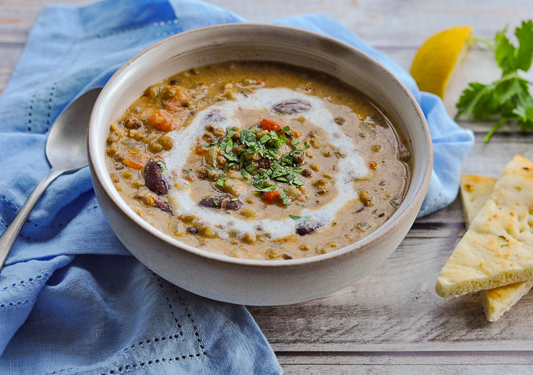
Brown lentils are the most common type of lentils that you’ll find in your grocery store. They have a mild earthy flavor and are perfect for hearty soups, like my cumin lentil soup, and can also be used to emulate a “meaty” texture when pulsed and thrown into a classic Bolognese sauce.
Green lentils and beluga lentils hold their shape during the cooking process and are wonderful in salads or simply on their own, warmed or at room temperature. They have a slightly peppery taste.
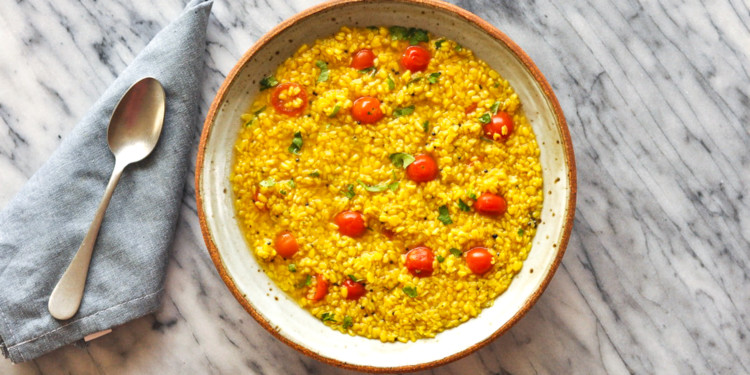
Yellow and red lentils cook faster and break down quickly, which makes them an ideal base for Indian dals and stews; and red lentils actually turn yellow once cooked! These smaller lentils are the sweetest and nuttiest in comparison to the other varieties and are used in recipes like yellow moong dal soup, one of my family’s favourites.
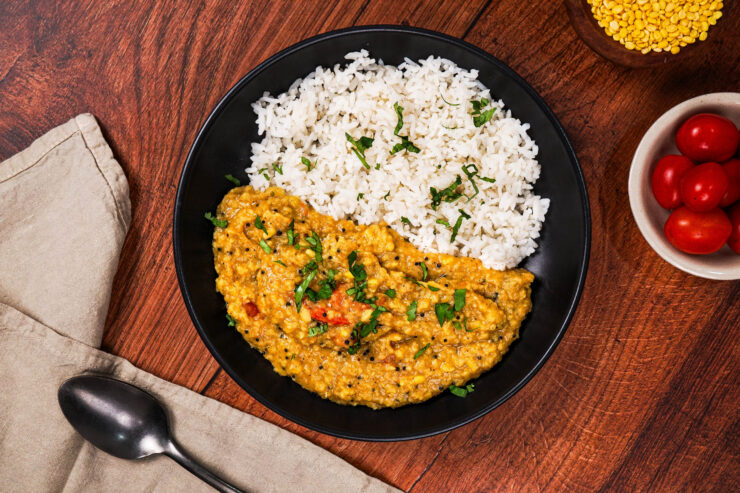
My easy vegan dal uses black gram lentils, another type of lentil that’s also known as whole black urad dal.
I usually make a large batch of lentils and serve them in meals throughout the week. I’ll often just throw them together with some roasted veggies and greens and call it dinner! My herb lentil salad recipe can serve as a guide for preparing lentils.
Cooking Times For Lentils
| Variety | Stovetop Time | Instant Pot Time | Water ratio | Holds shape or breaks down? |
|---|---|---|---|---|
| Beluga | 15-20 minutes | 10 minutes | 1:1.5 (1 cup of lentils and 1 ½ cups of water) | Holds shape |
| Brown | 30-45 minutes | 5-6 minutes | 1:1.5 | Holds shape |
| Green | 30-45 minutes | 5-6 minutes | 1:1.5 | Holds shape |
| Red | 15-20 minutes | 4-5 minutes | 1:1.5 | Breaks down |
| Yellow | 15-20 minutes | 10 minutes | 1:1.5 | Breaks down |
Lentils Are Used Worldwide
Pulses are a staple in diets globally. In India, they make an appearance in almost every complete meal by way of dals and curries. One of my favourites is South Indian dal with curry leaves, mustard seeds, and coconut milk. It’s so delicious.
The Middle East invented mujaddara, which is a dish that combines lentils, rice, and caramelized onions. The French love to eat a simple lentil salad with vinaigrette.
In Africa, Ethiopians eat a spicy lentil stew with the popular berbere spice and injera (flatbread) on the side.
In America, gluten-free manufacturers use lentils to make pasta from red and green lentils that have the texture of their glutinous counterparts.
Adding Flavor to Lentils: What Makes Lentils Taste Better?
Now, how do you cook lentils that are tasty as well as properly cooked through? You’ll want to use the cooking steps above and add some aromatics or spices to your lentils. Otherwise, they’ll have a very neutral taste.
The beauty of these legumes is that they are a vessel for any flavor you may want to impart.
A few tips for this part of the process:
- Use vegetable broth instead of water to instantly give your lentils a makeover.
- Make a bouquet garni by combining a bay leaf with a handful of parsley and thyme and bundling them in a tied cheesecloth bouquet, then letting them simmer in the pot with the lentils. Be sure to take the bundle out and discard it after cooking.
- Add 2-3 cloves of garlic and half an onion or shallot to help flavor the cooking water.
- Use a combination of Indian spices to create depth of flavor — cumin, coriander, and turmeric in equal measure work best for lentils.
Common Mistakes When Cooking Lentils
One mistake I made when I first started cooking lentils is not soaking them the night before.
Soaking the lentils cuts down on the cooking time, so it’s a really good trick to have in your back pocket if you’re often short on time when it actually comes to cooking!
Another common mistake people make when cooking lentils is using the wrong variety. While beluga, brown and green lentils hold their shape well when cooking, yellow and red lentils break down far quicker.
The yellow and red varieties are better for dals and curries, while brown lentils are fab for soups or stews. Belgua and green lentils are popular in salads, as they stay nice and firm.
Always make sure to sort your lentils, too! Throughout the harvesting and packaging process, lentils often pick up debris, dirt or even stones that you definitely do not want in your dinner.
When you’re ready to cook your lentils, hold back on adding the salt at the beginning. Salt interacts with the outer layer of the lentils, so adding it too early slows the softening process and can make the lentils tough to chew.
And finally, one more mistake to avoid is using an overly fast simmer when you’re cooking your lentils.
A simmer that’s too aggressive will cause the outer layers of the lentils to break down and go mushy, before the insides are fully cooked.
Buying & Storing Lentils
We’ve covered how to cook lentils, so now it’s time to talk about where to buy them and the best way to store them. Canned lentils are convenient and can save you a lot of time. Just rinse the lentils of their canned liquid and they’re ready to be used!
However, for taste, I recommend buying dried lentils in bulk — you’ll save money and you’ll most likely be getting fresher lentils because they turn over faster than bagged varieties in grocery stores.
Dried lentils come in two different sizes – split and whole. The latter takes longer to cook and is less likely to break down while cooking.
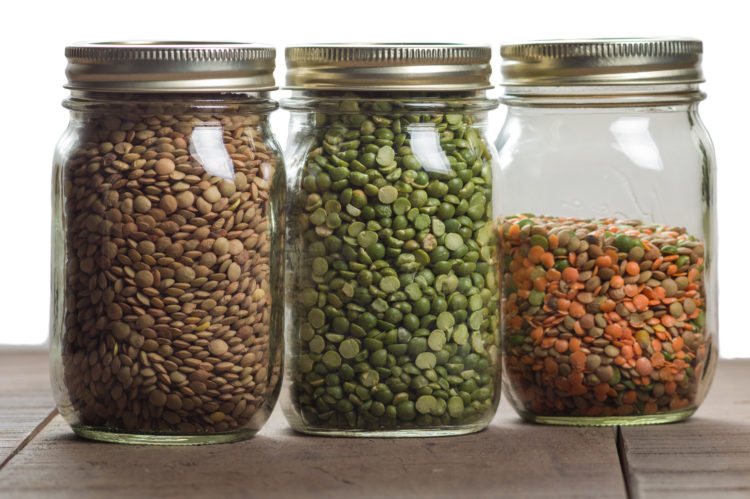
For long-term storage, I recommend buying a dozen jars with tight-fitting lids, filling them with your favorite legumes, and storing them in a cool and dark place. Both canned and dried lentils will last for 2-3 years, so you can never purchase too much!
FAQ
No. Unlike dried beans, lentils don’t need to be soaked before you cook them because they are smaller, thin and have a lower lectin content. Therefore, they cook quicker.
To make one cup of cooked lentils from dried lentils, use about 2/5 a cup of dried whole lentils or 1/2 a cup of dry split lentils. Dried legumes always expand when they are cooked.
Some of the most common mistakes people make when they cook lentils is not sorting them to remove debris and stones or using the wrong variety. Yellow and red lentils break down quicker than other varieties, so they suit dishes like dal and curries. I also like to soak lentils the night before to reduce cooking times. To avoid making the lentils mushy, I use a slow simmer. Adding salt at the end of the cooking process also helps to avoid chewy lentils.
There are lots of easy ways to make lentils taste better, from cooking them in broth instead of water or adding aromatics. Indian spice blends work really well with lentil dishes, particularly an even mix of cumin, coriander, and turmeric. Any acidic ingredients like lemon juice should be added right at the end, or they can make the lentils turn hard and chewy.
Pair lentils with a wholegrain for a meal to make a complete protein source. Brown rice or quinoa are both good options.
Green and beluga lentils hold their shape best when cooking.

Nutrition Disclaimer
Nutrition information is an estimate provided as a courtesy and may vary depending on ingredients used. This content is not intended as medical or dietary advice.