
Korean Tofu Vegetable Stir Fry with Gochujang Sauce
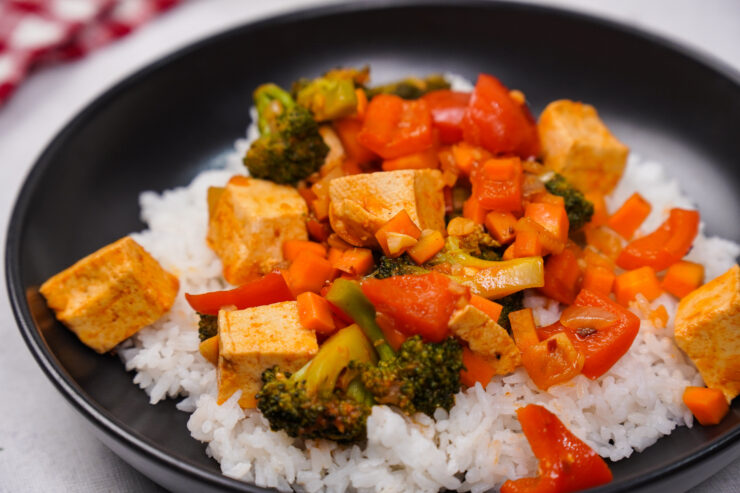
On a recent visit to an Asian grocery store, I discovered gochujang sauce, a Korean red pepper and rice paste. It resembles tomato paste in color and texture and has a similar earthy sweetness punctuated by a bite of lingering heat from the red chilies. It inspired me to make this simple Korean tofu vegetable stir fry with gochujang sauce recipe, a new favorite of mine!
The first time I tried gochujang was at Hangawi in NYC. It was 1997, I was new to the east coast and NYC, and Hangawi was the only Asian vegan restaurant in NYC at the time. I still remember the taste profile and the flavors I experienced. It hit me in waves. First, a deep savory warmth — almost like miso, earthy and fermented. Then, the heat arrived, slow and building, nothing like the sharp sting of hot sauce. And underneath it all, the faintest whisper of sweetness that made the whole thing tie together. All these flavors were in one bite and I was so amazed. Hangawi and its gochujang sauce have been my go-to anniversary dinner almost every year since that time.
Then, in early 2000s, I took my first trip to Korea, and as a vegetarian, I ended up eating at Temple restaurants for almost every meal. There, I tasted gochujang without garlic; temple food in Korea is cooked without alliums. However, the sauce still had the umami flavor I expected. I looked forward to my meals there with gochujang every day.
However, it wasn’t until I set my foot in Hart in 2018 that I bought my first jar of gochujang and started using it at home and introducing it to my kids. My kids loved it, and honestly, who does not love gochujang? And so, my Korean tofu vegetable tofu stir fry with gochujang has become a staple weeknight dinner at home for us.
Korean Flavors 101
Korean cuisine is noteworthy for its use of fermented flavors (think kimchi, gochujang, soy sauce and doenjang, a fermented bean paste) and spiciness in the form of gochugaru chili flakes. While many cuisines involve serving a main dish, the Korean table often includes both larger dishes and banchan, which are small side dishes that people can enjoy in between bites of their main dishes.
Banchan are vibrantly flavored such as fermented vegetables like kimchi, blanched and seasoned vegetables, stir-fried dishes like anchovies or squid, or braised dishes like tofu and fish. If you ever eat in a Korean restaurant, you will undoubtedly be served an array of these small dishes to be shared with the table that you can enjoy with your main meal whether it is bibimbap, a Korean stew known as jjigae, or beef bulgogi.
What is Korean Tofu Vegetable Stir Fry with Gochujang Sauce?
This Korean tofu vegetable stir fry is a blend of colorful vegetables and cubes of tofu that are married together with a spicy gochujang sauce mixture. While you could use many different types of veggies in this dish, I have chosen carrots, broccoli, red bell pepper, and onion, which all cook quite quickly in the skillet.
The sauce is the key component that gives this veggie stir fry its Korean flare. It involves a mixture of gochujang, soy sauce, and rice vinegar, along with sriracha and optional red chili flakes for extra fire. The results are a colorful main dish that is healthy while being robust in flavor similar to your favorite takeout dishes! You may also be interested in my Szechuan Style Tofu Recipe for a spicy tofu stir fry that contains Szechuan peppercorns and vegetables like cabbage, carrots, and mushrooms.
Why You’ll Love This Recipe
With tender cubes of tofu, broccoli, carrots, and a spicy gochujang sauce, this Korean tofu stir fry recipe is a delicious and healthy plant-based dinner. It will provide you with nutritious vegetables and protein to nourish your body while also giving you a slightly salty and fiery sauce that will make it taste similar to your favorite Korean restaurant. For other stir fry recipes, you may want to check out my Green Bean Potato Stir Fry or my Curried Vegetable Stir Fry which are similarly flavorful and full of veggies and color. Here are some other reasons why you will love this tofu and veggie stir fry recipe:
- Quick to Make: Stir fry recipes usually only need a short time over high heat to cook as you want the veggies to only be lightly cooked so that they still have some texture to them and a bright color. All this dish requires is 10 minutes of prep and around 10 minutes of cooking time, meaning that you will be able to have dinner ready in approximately 20 minutes.
- An Easy Sauce: With just five ingredients and a sixth optional ingredient, the sauce comes together quickly. Simply measure out the gochujang, water, soy sauce, rice vinegar, and sriracha, and give it a whisk before using it in the Korean tofu vegetable stir fry.
- Packed With Plant-Based Protein: Extra-firm tofu is one of the best protein sources for plant-based vegan and vegetarian diets as it is high in protein. It also soaks up sauces beautifully making it a particularly good choice for stir fries. For other tofu stir fry recipes, check out my Szechuan Style Tofu and my Tofu Peanut Lettuce Wraps.
- Easily Modifiable: As with other stir fry recipes, this version is easy to change according to your tastes. If you don’t have broccoli, carrots, or bell peppers on hand, you could add in any other vegetables you enjoy – mushrooms, spinach, zucchini, baby corn, cabbage, and snow peas are all delicious options in homemade stir fry.
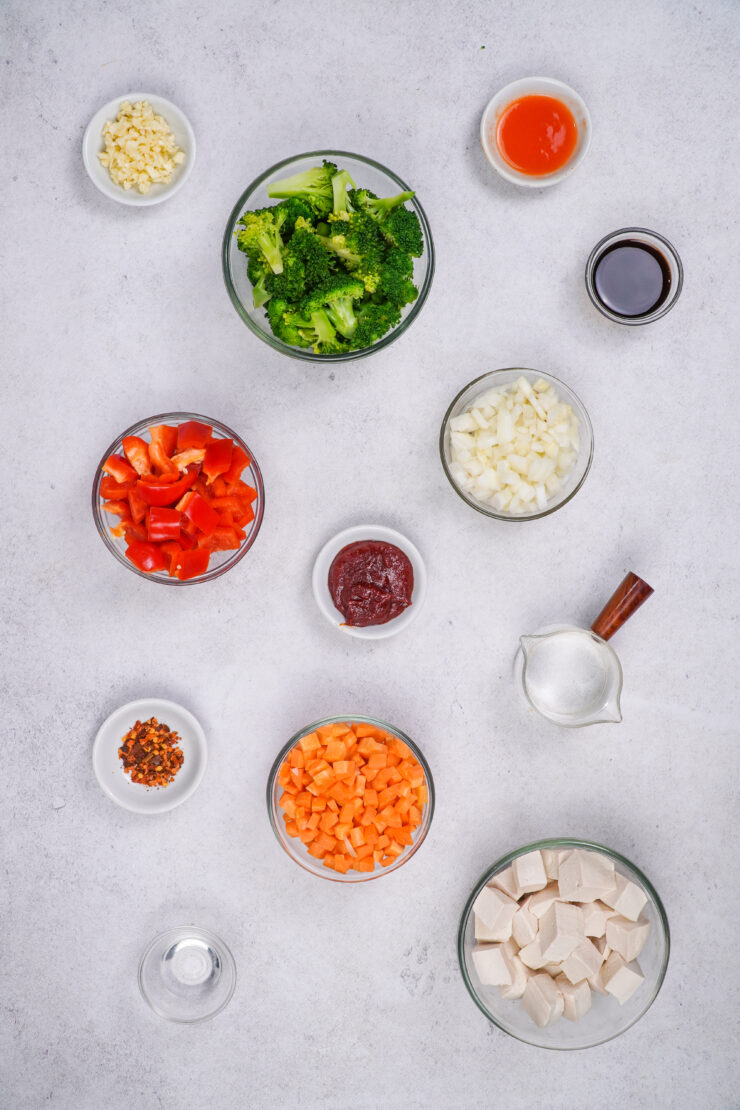
Ingredients
The beautiful thing about stir fries is that you can make them all your own to use up vegetables you already have in your garden or fridge. Here is what you will need to make the best tofu vegetable stir fry recipe ever:
Stir Fry
- extra-firm tofu
- onion
- garlic
- carrots
- broccoli
- red pepper
Sauce
- gochujang – adds a fermented taste and spiciness from gochugaru chili flakes
- boiling water – helps thin out the sauce
- soy sauce – adds salt and an umami flavor to the sauce
- rice vinegar – imparts acidity and brightness to the finished sauce
- sriracha – amps up the overall spiciness of the creamy sauce
- red chili flakes – infuses the sauce with even more fieriness and chili flavor
For Serving
- sesame oil
- steamed rice
Step-by-Step Instructions
This Korean tofu vegetable stir fry recipe makes a perfect weeknight meal when you need to get dinner on the table fast. From sautéing the veggies to mixing the sauce, here is how to make this quick and easy dinner:
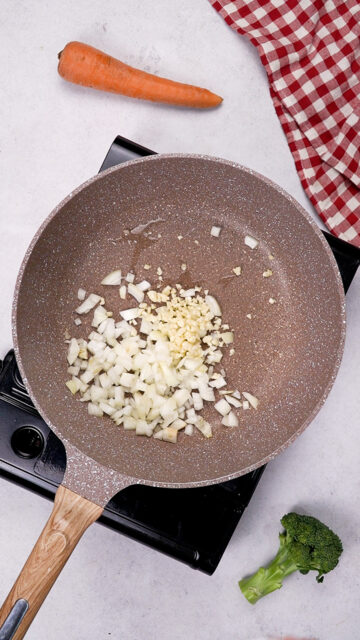
- In a large skillet, sauté the onion and garlic until fragrant, about 4 to 5 minutes.
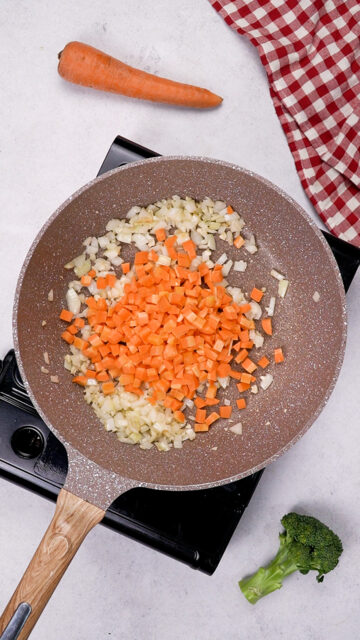
- Add the carrots and allow them to cook while preparing the sauce.
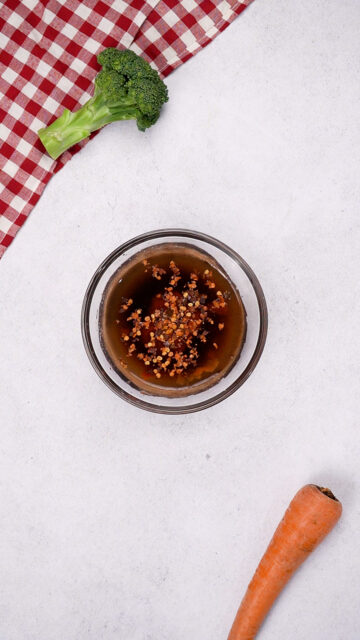
- In a bowl, whisk the gochujang with the water, soy sauce, rice vinegar, sriracha, and red chili flakes if using.
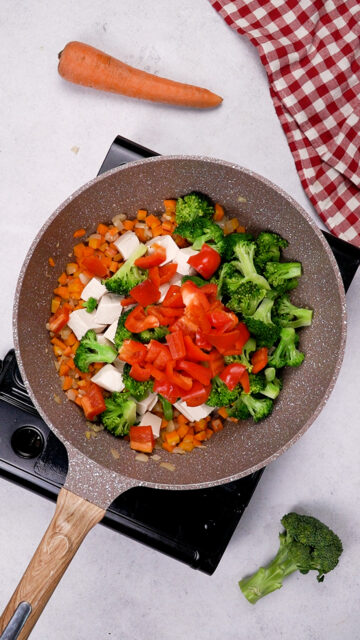
- Add the tofu and remaining vegetables to the pan.
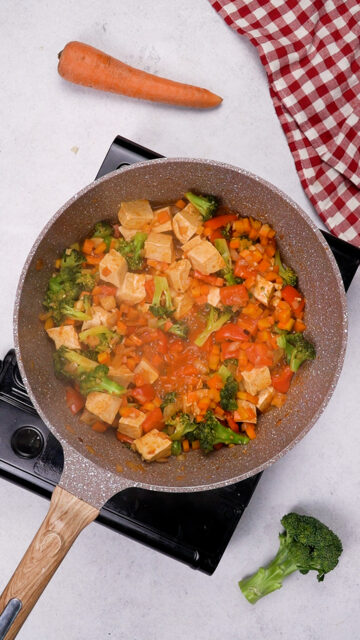
- Pour in the sauce, stirring the mixture until combined, and continue cooking until the vegetables are tender. Once the vegetables are tender, stir in sesame oil to taste.
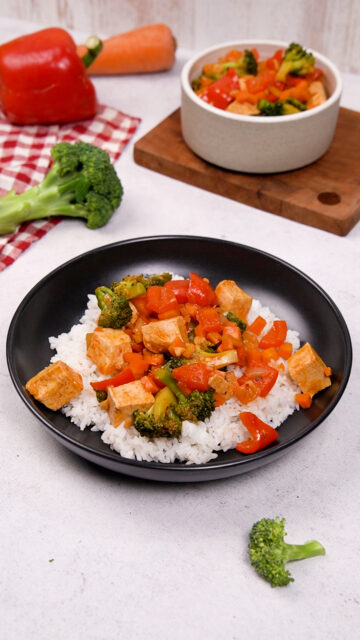
- Serve over steamed rice.
Tips for the Best Results
Stir fry recipes have the best outcomes when the vegetables are still brightly colored and have a tender-crisp texture at the end of the cooking process. They should also be flavorful but not watery. Here are some tips and tricks to help you make the best spicy tofu vegetable stir fry:
- Use a Large Skillet or Wok: Using a large pan will prevent you from overcrowding the vegetables, which can result in them releasing their water and lead to soggy results. A large pan or wok will allow for more even cooking of the vegetables so that they stay bright in color and crisp in texture.
- Blanch the Broccoli: Since the broccoli florets will need a little more time to cook than the bell peppers and carrots that are diced into small pieces, it is a good idea to blanch them before you use them in your tofu and veggie stir fry recipe. To do so, simply place the florets in a pot of salted boiling water until they are bright green in color and slightly tender (about 2 to 3 minutes) before placing them in a bowl of ice water to cool down.
- Don’t Overcook: The best stir fries have tender-crisp textured vegetables rather than ones that are overly soft with a dull texture and appearance. For that reason, you will want to be mindful that you don’t overcook the broccoli, carrots, and bell peppers. You will know they are done when they are just fork tender and still have a vibrant color.
- Cook Over High Heat: Heating your wok or skillet over high heat before adding your vegetables is essential for cooking the vegetables quickly and giving them some color. It creates the wok hei, which is the slightly smoky char that makes stir fry taste like restaurant takeout.
Variations
This Korean tofu vegetable stir fry includes some very specific ingredients, but you can change it up depending on the ingredients you have on hand or what you enjoy:
- Add Fresh Herbs: If you have an abundance of cilantro or Thai basil on hand, they would both be wonderful added to the stir fry at the end of cooking or sprinkled on top as a garnish. They would also add a pop of extra color to the stir fry.
- Make a Rice Noodle Stir Fry: Rather than serving your version of this vegetable stir-fry over rice, you could toss the cooked vegetables and sauce with some cooked rice noodles near the end of cooking. The rice noodles will absorb some of the sauce, making them extra delicious. For this preparation, you may prefer to double the sauce to ensure you have enough to coat the noodles.
- Add Extra Protein: If you are looking to scale up protein in your diet, you can add it to this dish in a few ways. If you are a meat eater, you can add some chicken breast to the stir fry. Alternatively, you can add some edamame into the stir fry or serve it over cooked quinoa rather than white rice.
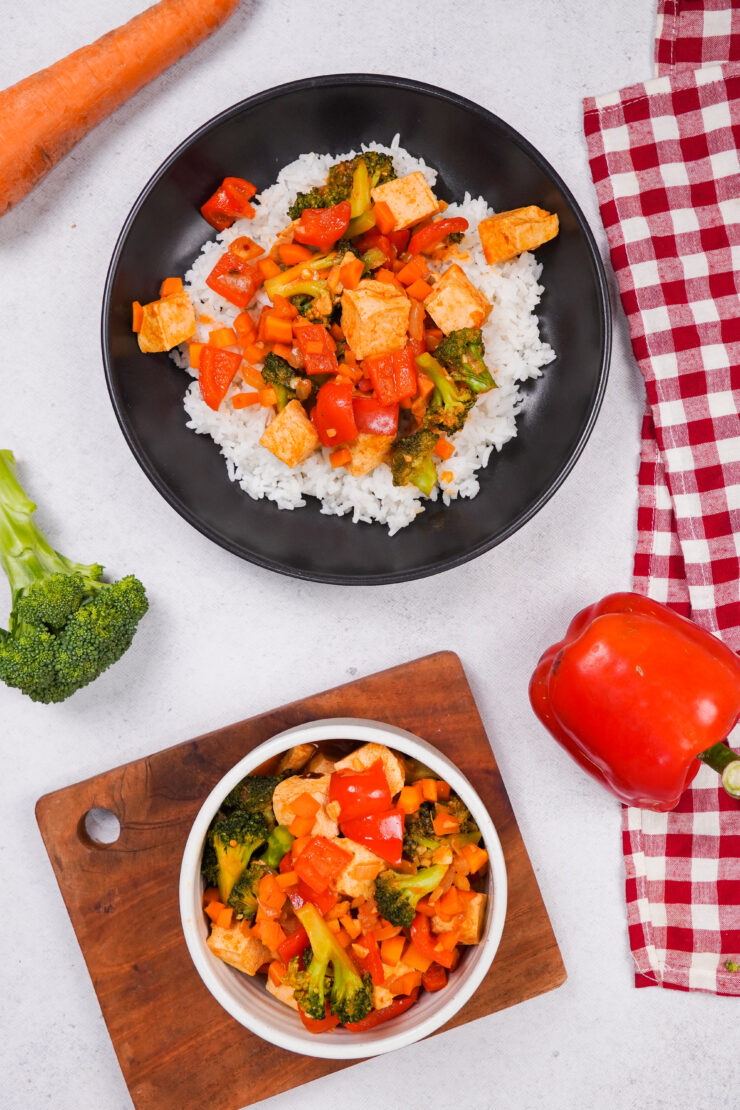
Korean Tofu Vegetable Noodle Stir Fry
Korean tofu vegetable stir fry is delicious with cooked noodles, either for dinner or for meal prep for the week ahead. If you decide that you would prefer to serve your Korean tofu vegetable stir fry with cooked noodles rather than rice, you could do it in a couple of ways:
- Serve it Over the Noodles: In this case, simply serve the stir-fried vegetables on top of your choice of cooked noodles such as rice noodles or glass noodles. Serving the noodles this way is great if you need something to cool your mouth down as you eat it as the noodles will be plain. If you know you will be making the noodles ahead as part of meal prep, you can toss them with a little oil like sesame oil to prevent them from sticking together.
- Add the Noodles to the Stir Fry: If you would like to create a Korean stir fry with the noodles tossed into it, Korean noodles that are good for stir fry include dangmyeon (otherwise known as Korean glass noodles), which are made with sweet potato starch. They have a wonderfully chewy texture and can soak up saucy flavors beautifully. When you use them, you should cook them according to the package instructions and then just toss them with the vegetables and sauce towards the end of the cooking time so that they don’t become too soft. For this preparation, it is a good idea to double the sauce to ensure that you will have enough to coat the noodles.
Another delicious Korean noodle option is soba noodles, which are made with buckwheat, and can be served hot or cold. If you enjoy a stronger flavored noodle, you could easily use this in your stir fry in place of the more delicate tasting glass noodles or rice noodles.
Storing & Reheating
This easy Korean vegetable tofu stir fry recipe serves six people so you may find that you have leftovers if you are just cooking for one or two people. To store the stir fry, simply place it in an airtight container in the fridge until you plan to serve it. It should keep well for at least 3 days or so. Then, when you are ready to reheat it, you can simply warm it up in the microwave or a pan on top of the stove with a splash of water, while stirring it to promote even heating.
Meal Prep Tips
While having the entire Korean stir fry cooked in the fridge can work well, if you prefer to have your food more freshly made but enjoy some convenience, you could prep your ingredients ahead so that the stir fry is ready to cook as soon as you want dinner. Here is how to do it:
- Make the Sauce Ahead: It will keep in an airtight container the fridge for up to 1 week.
- Pre-chop Vegetables: You can store them in separate sealed containers in the fridge until you are ready to use them. You could also pre-blanch the broccoli and cool it in an ice water bath to eliminate that step of the cooking process.
- Press the Tofu in Advance: Pressing the tofu takes a little bit of time but it is a crucial element for getting it nicely texture in the pan and helping it absorb the flavorful gochujang sauce. To save you time on cook day, you can press it ahead to remove the excess moisture before storing it in a sealed container in the fridge.
- Only 10 Minutes to Cook on Cook Day: Taking the advance prep steps means that you will be able to assemble the full stir fry in under 10 minutes, allowing you to get dinner ready quickly.
Serving Suggestions
To make this Korean tofu vegetable stir fry recipe a complete meal, it is best served over plain jasmine rice which will soak up the sauce and temper the heat from the gochujang and sriracha. You could add a sprinkling of sesame seeds, green onions, and cilantro if you like as well. In a traditional Korean meal, a dish like this would likely be served alongside small side dishes called banchan — think pickled vegetables, kimchi, or a simple spinach salad dressed in sesame oil but I also like to serve the stir fry alongside my Veggie Ramen Recipe with Mirin or my Veggie Pad Thai, which are both noodle dishes with Asian flavors.
If you are looking for lunch to take to work, you could divide rice and stir fry between microwave-safe containers so that you can easily reheat it at lunchtime. The results will be a full-flavored, healthy lunch that will keep you fueled throughout the day! The added tofu helps promote satiety; for another filling high protein dish to make for easy lunch or dinner prep, you may enjoy my Curried Adzuki Beans Recipe which contains warming Indian spices.
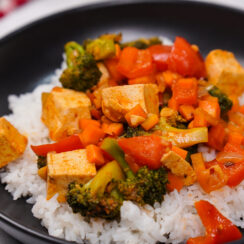
Korean Tofu Vegetable Stir Fry With Gochujang Sauce
Ingredients
Stir Fry
- 1 block extra-firm tofu, (14 oz., pressed, cut into cubes)
- 1 onion, (diced)
- 3 cloves garlic, (minced)
- 2 carrots, (medium, diced)
- 2 cups broccoli, (blanched)
- 1 cup red pepper, (cut into chunks)
Sauce
- 3 tablespoons gochujang
- 3 tablespoons boiling water
- 3 tablespoons soy sauce
- 1 tablespoon rice vinegar
- 1 tablespoon sriracha
- 1/2 teaspoon red chili flakes, (optional)
Instructions
- In a large skillet, saute onion and garlic until fragrant (about 4-5 minutes).
- Add in carrots and let cook while preparing sauce.
- In a bowl, whisk together all sauce ingredients (gochujang, water, soy sauce, rice vinegar, sriracha, red chili flakes if using).
- Add tofu and vegetables to the pan, then pour in the sauce, stirring to incorporate and toss.
- Once veggies are tender, toss everything with a drizzle of sesame oil to taste, then remove from heat.
- Serve immediately over steamed rice.
BON APPÉTIT!
Equipment
- 1 skillet
Notes
- For crispy tofu, you can coat the tofu cubes in cornstarch before air frying it or baking it in the oven. Then, it will be ready to add to your stir fry.
- Plan ahead and press the tofu so it will be ready to use for your stir fry. It will be able to sit in the fridge until you are ready to use it.
- Blanch the broccoli before you begin so that it will cook in the same amount of time as the other vegetables.
- Use a large skillet or wok as it will be spacious enough to promote even cooking and prevent the vegetables from releasing too much moisture.
Nutrition
FAQ
Gochujang is a Korean paste that is made of Korean chili flakes (gochugaru), fermented soybeans, salt, and glutinous rice. It has an incredibly savory flavor with some spice. It is wonderful to include in dishes when you are looking to get them that umami factor.
Yes, if you are someone who prefers your tofu to be quite crispy, you can coat it with some cornstarch before baking it in the oven or putting it in your air fryer. Then, simply toss the tofu into the vegetable mixture at the end of the cooking time.
Yes, you definitely could, although you will need to judge when you should add each vegetable into the stir fry as each one may require different cooking times. Feel free to add zucchini, mushrooms, bok choy, spinach, Swiss chard, and more into this plant-based dinner recipe.
Yes, if you are short on fresh vegetables, frozen ones will work in a pinch. However, you should thaw them before you add them to the stir fry or else your stir fry may become soggy.
Yes, to make your meal prep even easier during a busy work week, you can pre-chop all of the vegetables and tofu, and pre-mix the sauce to store in the fridge. Storing them in sealed containers in the fridge will help them maintain optimal freshness for a few days.
Some of the best vegetable options to include in the stir fry that won’t become mushy are carrots, broccoli, bell peppers, cauliflower, and celery. However, if you would like to add other vegetables that you know will become soft more quickly, such as zucchini or mushrooms, you can add them later in the cooking process.
If you love crispy tofu but don’t want to fry it in hot oil, you can use an air fryer instead. Simply coat the tofu cubes in some cornstarch before placing them in an air fryer, and air fry them until they are crispy and golden. You could spray them with a little cooking spray if you like which will help them gain extra color. If you don’t have an air fryer, you could also bake cornstarch coated tofu on a baking sheet in a 400 F (200 C) oven, turning them once in a while until they become evenly crisped up.
It is recommended that you press the tofu for this stir fry but it isn’t absolutely necessary if you find you are short on time. Pressing the tofu will help release some of its moisture, resulting in it becoming crisper in the skillet and having a better flavor due to being able to absorb more of the sauce. If you don’t press the tofu, it simply may not become as crisp and golden or absorb as much flavor from the sauce.
Use a whisk to mix the sauce, which will help eliminate lumps from the gochujang. Gochujang isn’t an overly thick paste and should be easy to incorporate with the other sauce ingredients in this recipe.
Since gochujang is a fermented chili paste, you could blend a mixture of miso and sriracha to get both the fermented and chili flavors. Alternatively, if you can find gochugaru chili flakes which is a key element of gochujang, you could blend them with some miso and honey to create a homemade version of gochujang.
If you don’t love heat, you can skip adding the red chili flakes, which is an optional ingredient in this recipe, and pull back on or omit the sriracha. You could also pull back on the gochujang slightly if you like but it isn’t overly spicy and has a sweeter flavor than the sriracha. If you find that the sauce seems a little unbalanced after reducing the spice elements, feel free to adjust with a little more soy sauce and rice vinegar as needed. Alternatively, if you like more heat, simply add more sriracha and gochujang to taste, and add a little more soy and vinegar to balance the flavors.
To store the leftovers, you can place them in a sealed container in the fridge and it is best to reheat them in a day or two or the veggies may become overly soft and soggy. While you certainly could reheat the stir fry in the microwave, the very best way is to heat it in a skillet on the stove, which will give you more control so that you don’t overcook the veggies and tofu. Simply add a small splash of water as the mixture cooks to ensure that the mixture returns to a saucy consistency and heats through evenly.
Gochujang is a Korea chili paste that has a fermented flavor and spiciness from gochugaru chili flakes. Meanwhile, sambal is a Southeastern Asian chili paste that often contains garlic, galangal, shallots, and ginger, and sometimes may even include shrimp paste, lime juice, and tamarind. It often has flecks of seeds in it whereas gochujang is a fully pureed chili paste. Sriracha is a Thai hot sauce that is fiery and more vinegary than gochujang or sambal. It is usually a mix of hot chili peppers, sugar, salt, vinegar, and sugar that are pureed to a smooth consistency.
Yes, you could omit the tofu and replace it with another protein if you prefer. For plant-based protein, you could add frozen edamame (thawed) to the stir fry when you fry the vegetables. Tempeh is another great replacement for tofu, which is a fermented soy-based product that is similar to tofu. Alternatively, if you aren’t vegan, this stir fry would be great with a fried egg or two on top so that the yolk oozes into the vegetables.
When you cook stir fry at home, choose vegetables that will cook quickly in a pan over high heat on the stove. For that reason, you should avoid using firm vegetables that require a lengthier cooking time such as sweet potatoes, potatoes, rutabaga, winter squash, or parsnips. If you are using fresh greens like spinach, you can add them at the end of the cooking time to wilt in, but it is best to avoid kale as it will impart a bitter flavor.
This Korean tofu stir fry is not naturally gluten free since it contains soy sauce, which is traditionally made with wheat. However, if you need a gluten-free alternative, tamari is an excellent option.
Another potentially glutinous ingredient is gochujang as it traditionally includes barley malt powder which has gluten. However, several brands add rice syrup or glutinous rice flour which are gluten-free alternatives. Simply pay attention to the ingredient labels on the gochujang to ensure you are purchasing a gluten-free variety.
Banchan are small side dishes that typically accompany a Korean meal and are shared between everyone at the table. Common types of banchan include kimchi, steamed vegetables with soy sauce and garlic, braised tofu, spicy stir-fried squid, pickled vegetables, and more. These can be served alongside any traditional Korean meal such as bibimbap, beef or pork bulgogi, or Korean stews.

Nutrition Disclaimer
Nutrition information is an estimate provided as a courtesy and may vary depending on ingredients used. This content is not intended as medical or dietary advice.
Mandy
I put this on top of chow mein noodles and changed the veggies a bit. But yow! This is spicy and that is without the chilli flakes! I really liked it though—I’m always adding spice after the fact but not this time! So good and super quick!
Used— green beans, onions, mushrooms, carrots, garlic, ginger, Napa cabbage.
veggiecurean
I am so glad you liked it. Yes, it is a quick and easy recipe. The sauce is the key here.
Yvette
The sauce is the perfect balance of flavors. I love it!